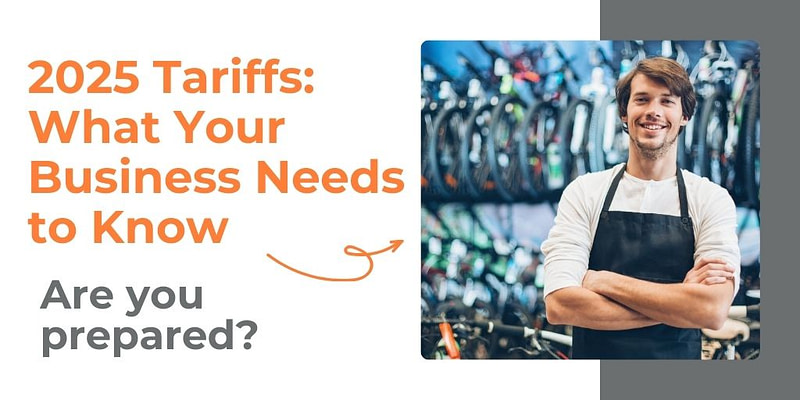
Earlier this year, President Trump introduced new tariffs that are reshaping the way small businesses operate and how HR professionals plan for workforce needs. These changes are targeting imports from China, Mexico, and Canada, and are already influencing costs, hiring decisions, and long-term strategy.
What’s Changing?
- 10% tariff on all Chinese imports: Includes electronics, apparel, and office supplies.
- 25% tariff on goods from Mexico and Canada: Affects food, automotive parts, and raw materials.
- 25% global tariff on steel and aluminum: Impacts construction, manufacturing, and infrastructure projects.
Impact on Small Businesses
Small businesses, which often lack the financial cushion and supply chain flexibility of larger firms, are among the hardest hit. According to the American Sustainable Business Network, 62.5% of small businesses expect production costs to rise due to tariffs, and half say it will make them less competitive.
Many small businesses rely on imported goods or components. With tariffs driving up costs, they face tough choices: raising prices, absorbing losses, or cutting back operations. Some are already advising employees to cancel non-essential travel and delay hiring due to economic uncertainty.
Impact on Medium-Sized Businesses
Medium-sized businesses, which typically employ between 100 and 499 workers and represent roughly one-third of U.S. private-sector employers, are also feeling the squeeze. [BM1] According to a Federal Reserve Bank of Boston study, Small to Medium-sized Businesses (SMBs), which employ 500 or fewer workers, expect that tariffs of 10–25% will lead to significant cost increases and plan to pass those costs onto consumers over the next two years.
Interestingly, non-importing SMBs expected little to no cost increases, and in some cases, even anticipated cost reductions, possibly due to expectations of reduced demand or lower input prices.
Impact on Enterprise Businesses
Large enterprises have more resources to weather tariff shocks, but they’re not immune. Industries like automotive, consumer electronics, and retail are seeing major disruptions, according to CEO Today Magazine:
- Automakers like GM and Toyota face billions in added costs due to steel and aluminum tariffs.
- Tech giants such as Apple and Nvidia are grappling with higher costs for components sourced from China and Taiwan.
- Retailers like Walmart and Target, which rely heavily on Asian imports, are seeing squeezed margins and rising prices.
Some enterprises are accelerating plans to shift manufacturing to the U.S., but this requires massive investment and time.
How PEO Providers Can Help Businesses Navigate Tariff Challenges
As tariffs reshape the cost structures and strategic decisions of U.S. businesses, PEOs (Professional Employer Organizations) are emerging as valuable partners in helping companies adapt. Whether you’re a small startup or a growing enterprise, a PEO like VensureHR can offer critical support in several key areas:
1. Cost Containment and Workforce Strategy
Tariffs often lead to increased operational costs. PEOs help businesses manage these pressures by:
- Optimizing HR and payroll systems to reduce overhead.
- Advising on workforce planning, including hiring freezes, remote work transitions, or restructuring.
- Benchmarking compensation to ensure competitiveness without overspending.
2. Compliance and Risk Management
Tariff changes can trigger shifts in labor laws, tax implications, and international employment practices. PEOs provide:
- Up-to-date compliance guidance across federal, state, and international regulations.
- Support for cross-border employment and remote teams affected by trade disruptions.
- Risk mitigation strategies for layoffs, benefit changes, and contract renegotiations.
3. Benefits Strategy and Employee Retention
With rising costs, retaining talent becomes harder. PEOs help by:
- Offering access to large-group health plans and other benefits that are typically unattainable for small and mid-sized business, which often provide better coverage at a lower cost.
- Customizing benefits packages to meet employee needs while staying within budget.
- Providing Employee Assistance Programs (EAPs) to support mental health and financial wellness during economic uncertainty.
4. Strategic Guidance and Scenario Planning
PEOs often act as strategic advisors, helping businesses:
- Model the financial impact of tariffs on labor costs and benefits.
- Develop contingency plans for supply chain disruptions or international expansion.
- Navigate vendor and contractor relationships that may be affected by tariff-related price changes.
How to Stay Ahead
At Vensure, we support small businesses and HR teams in navigating change. Here are a few proactive steps:
- Audit Your Vendor List: Identify which suppliers are affected and explore alternatives.
- Review Workforce Plans: Align hiring and compensation strategies with new budget realities.
- Stay Informed: Monitor trade policy updates and economic forecasts.
- Lean on Partners: Use your PEO or HR provider to help with compliance, workforce planning, and cost control.
Need help adjusting your workforce strategy considering the new tariffs? VensureHR is here to support you every step of the way.
Learn more about compliance
Schedule a call to learn more about our compliance solutions for your business.
Contact VensureHR